

Broiler chicken production is a lucrative venture in South Africa, given the growing demand for poultry meat. Whether you’re a small-scale farmer or looking to establish a commercial operation, understanding the essential steps and best practices is crucial for success. Here’s a comprehensive guide to help you get started.
Understanding the market dynamics is the first step. Assess the demand for broiler chickens in your area, identify potential buyers, and study the competition. Determine the best breed for your climate and market needs; popular breeds include Ross 308, Cobb 500, and Arbor Acres.
Draft a detailed business plan outlining your goals, budget, production scale, and marketing strategy. This plan should include cost estimates for purchasing chicks, feed, housing, equipment, and other operational expenses.
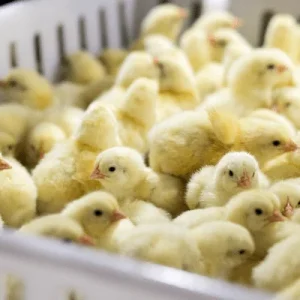
Choose a reputable hatchery to source your day-old broiler chicks. Ensure they are vaccinated against common diseases such as Newcastle Disease and Infectious Bronchitis.
For high growth rates and feed efficiency, consider breeds like Ross 308, which are well-suited for commercial production.
Construct a broiler house that provides adequate space, ventilation, and protection from predators and extreme weather. A controlled environment will help maintain optimal temperature and humidity levels, crucial for chick health.
Essential equipment includes feeders, drinkers, heating systems (brooders), and lighting. Automated systems can improve efficiency but may require a higher initial investment.
Provide high-quality feed formulated for broilers at different growth stages. Starter feed (0-3 weeks), grower feed (3-5 weeks), and finisher feed (5 weeks to slaughter) have specific nutrient compositions to support optimal growth.
Ensure chicks have continuous access to clean water and feed. Monitor their consumption and growth to adjust feed quantities as needed.
Follow a strict vaccination schedule to protect your flock from diseases. Consult a veterinarian to develop a tailored vaccination plan.
Implement biosecurity measures to prevent disease outbreaks. This includes controlling access to the broiler house, sanitizing equipment, and maintaining clean surroundings.
Regularly monitor the flock for signs of illness, stress, or abnormal behavior. Weigh a sample of birds weekly to track growth rates and adjust feed as necessary.
Maintain detailed records of feed consumption, growth rates, health interventions, and mortality. This data is vital for managing performance and making informed decisions.
Identify potential buyers such as local markets, supermarkets, restaurants, and wholesalers. Building a reliable customer base is essential for sustained business.
Determine competitive pricing by considering production costs, market rates, and profit margins. Offering quality products consistently can justify higher prices.
Ensure you comply with local regulations regarding poultry farming. This may include obtaining necessary licenses and adhering to animal welfare standards.
Manage waste effectively to minimize environmental impact. Proper disposal of litter and waste is crucial for sustainable farming practices.
Stay updated with the latest advancements in broiler production through workshops, seminars, and online courses. Networking with other farmers can provide valuable insights and support.
Continuously experiment with different feed formulations, housing systems, and management practices to optimize your production processes.
Starting broiler chicken production in South Africa requires careful planning, investment, and management. By following these steps, you can establish a profitable and sustainable broiler farming business. As you gain experience, continually refine your practices to improve efficiency and productivity, ensuring long-term success in the poultry industry.


Cradle Poultry
Typically replies within minutes
Any questions related to Getting Started with Broiler Chicken Production in South Africa?
WhatsApp Us
Online | Privacy policy
WhatsApp us